Managing Academic Stress
Before Graduation
01 / Introduction
Small pressures.
A heavy load.
Academic stress is a common challenge for college students. Exams, assignments, attendance requirements, time management, and career uncertainty can accumulate over time.
Similar stress levels.
Different underlying causes.
Understanding those differences helps us identify relevant, timely support—from the classroom to placement preparation.
Okay… that’s too much.
Illustrative build-up · not a measured scale
Problem statement
How might we empower college students to recognize, understand, and manage academic stress before it becomes overwhelming, particularly as they move closer to graduation?
02 / Respondent profile
Survey Overview
TAPMI · DOC · MIT · SMI · MILHS
Five institutes. Primarily undergraduate students.
What we explored
academic stress
academic performance
behaviors
support services
TAPMI
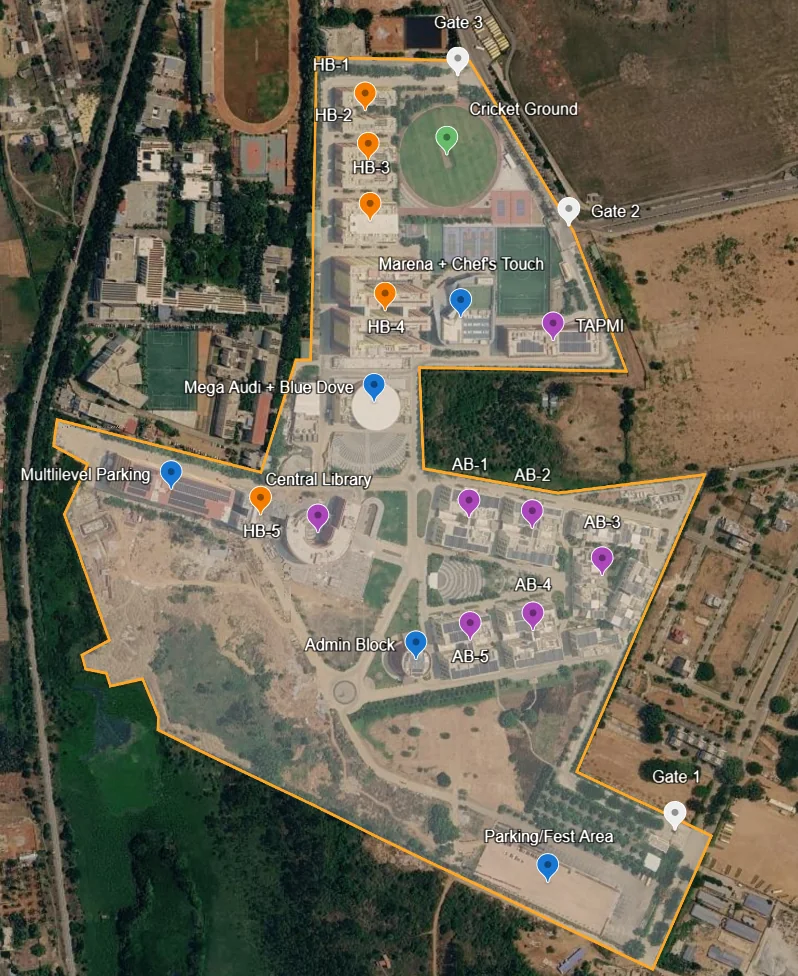
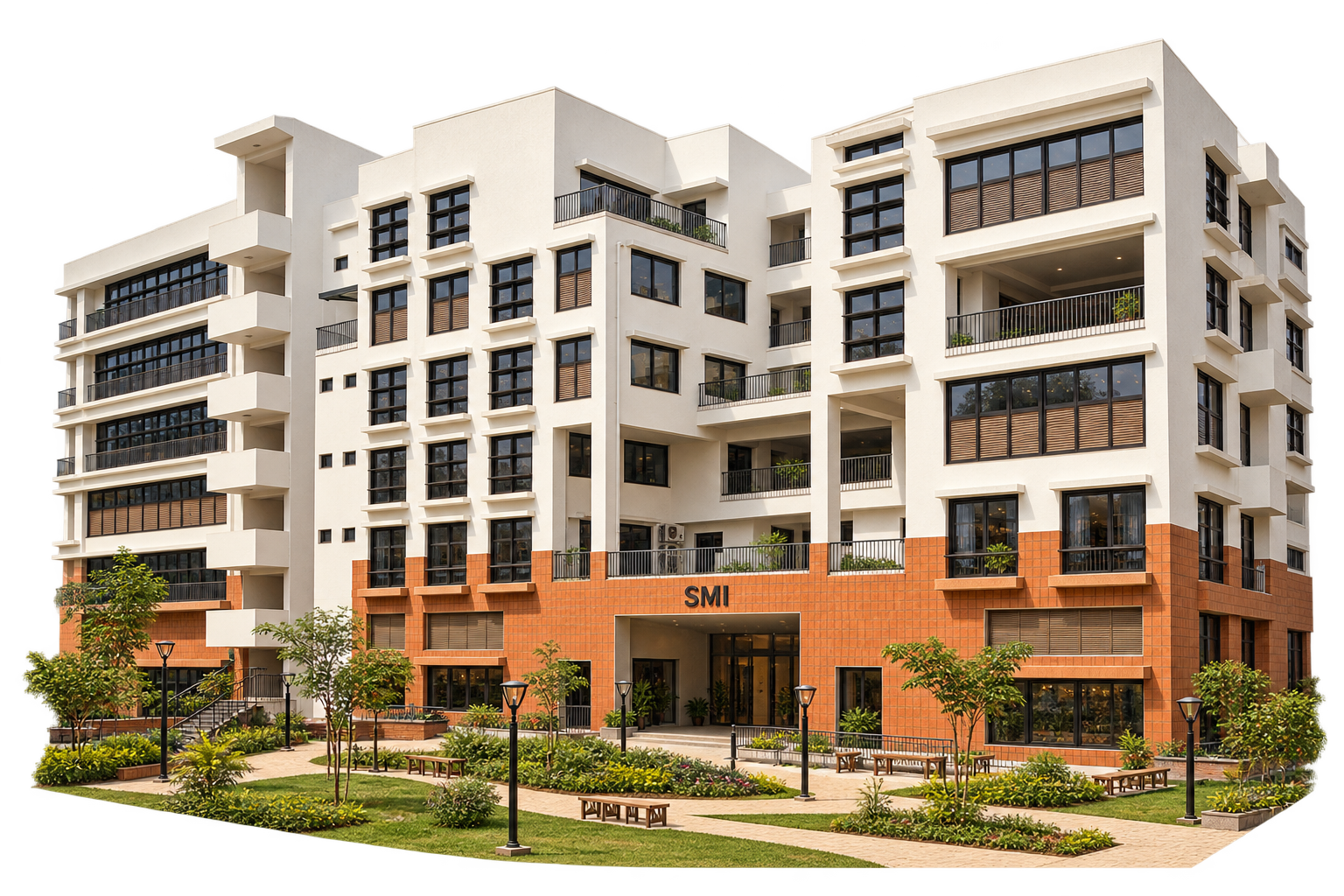
SMI · AB-3
DOC / MILHS · AB-1
MIT · AB-5


TAPMI → SMI / AB-3 → DOC / AB-1 → MIT / AB-5 → MILHS / AB-1
03 / Problem identification
Mind the gap.
Now
≈ equal
gap
Desired
✓Students can tell what help they need
✓Knowing and using are close to equal
Stakeholders
Objective
Help students match their stress to the right support — and actually reach it.
Constraints
03 / Root causes
What’s inside the problem?
Sharpest bone: 70.7% are struggling but don’t use support
- Exams top-3 stressor 66.9%
- Attendance top-3 49.8%
- Workload too much 55.5%
- Peer competition intense 59.3%
- Placements/jobs top-3 51.5%
- Job worry even if pass 54.9%
- By year: Y1 51.3% → Y3 66.4% → Y4 70.8%
- Y4 job worry 4.67/5 (n=24)
- Sleep/time mgmt top-3 40.9%
- Say enough time: only 26.1%
- Parents’ expectations 48.3%
- Exam worry = weakness 42.8%
- Struggling but unused 70.7%
- Aware 89.6% vs used 20.3%
- Friend first 51% vs counsellor 8%
- Barrier: no access info 12.1%
!
ooh, a big one
gotcha!
…it’s all bones?
HUP!
root causes: caught ✓
04 / Survey signals
Data analysis.
8 findings
Method: We surveyed 472 students and used simple percentages and group comparisons to see what is happening and who is affected.
Explore a finding